

The role of skill versus luck in gambling
Understanding the Basics of Gambling
Gambling is a multifaceted activity that appeals to millions around the world, offering the thrill of potentially winning money. At its core, gambling encompasses a wide range of games, from card games like poker to chance-based games such as slots. While some players rely on strategies and skills, others believe that luck plays a more significant role in the outcome of their wagers. This interplay between skill and luck forms the foundation of discussions in the gambling community, particularly as many seek out uk betting sites that cater to their preferences.
Skill in gambling often involves understanding the rules, employing strategies, and making informed decisions based on probabilities. For instance, in games like poker or blackjack, players can improve their chances of winning through experience and strategic play. Conversely, many games are purely luck-based, where the outcome is determined solely by chance, such as roulette or slot machines. This distinction is essential for players to comprehend as they navigate the gambling landscape.
The Skill Factor in Gambling
Skill can significantly influence the outcomes in certain gambling games, particularly those that require strategic thinking and decision-making. In games like poker, players must read their opponents, calculate odds, and manage their bankroll effectively. A skilled player can often outsmart less experienced opponents, turning the tables in their favor. Such skills can take time to develop, and with practice, players can enhance their winning potential.
Moreover, understanding game theory and psychology can give players an edge. Experienced gamblers often analyze patterns, adjust their strategies according to their opponents’ moves, and recognize the nuances of each game. This strategic approach can lead to more consistent winnings over time, reinforcing the idea that skill plays an important role in gambling.
The Role of Luck in Gambling
While skill is crucial in certain games, luck undeniably plays a significant role in gambling outcomes. Games of chance, such as slot machines, roulette, and lotteries, are primarily determined by random number generators or spinning wheels, leaving little room for player strategy. In these instances, luck is the dominant factor that can lead to unexpected wins or losses.
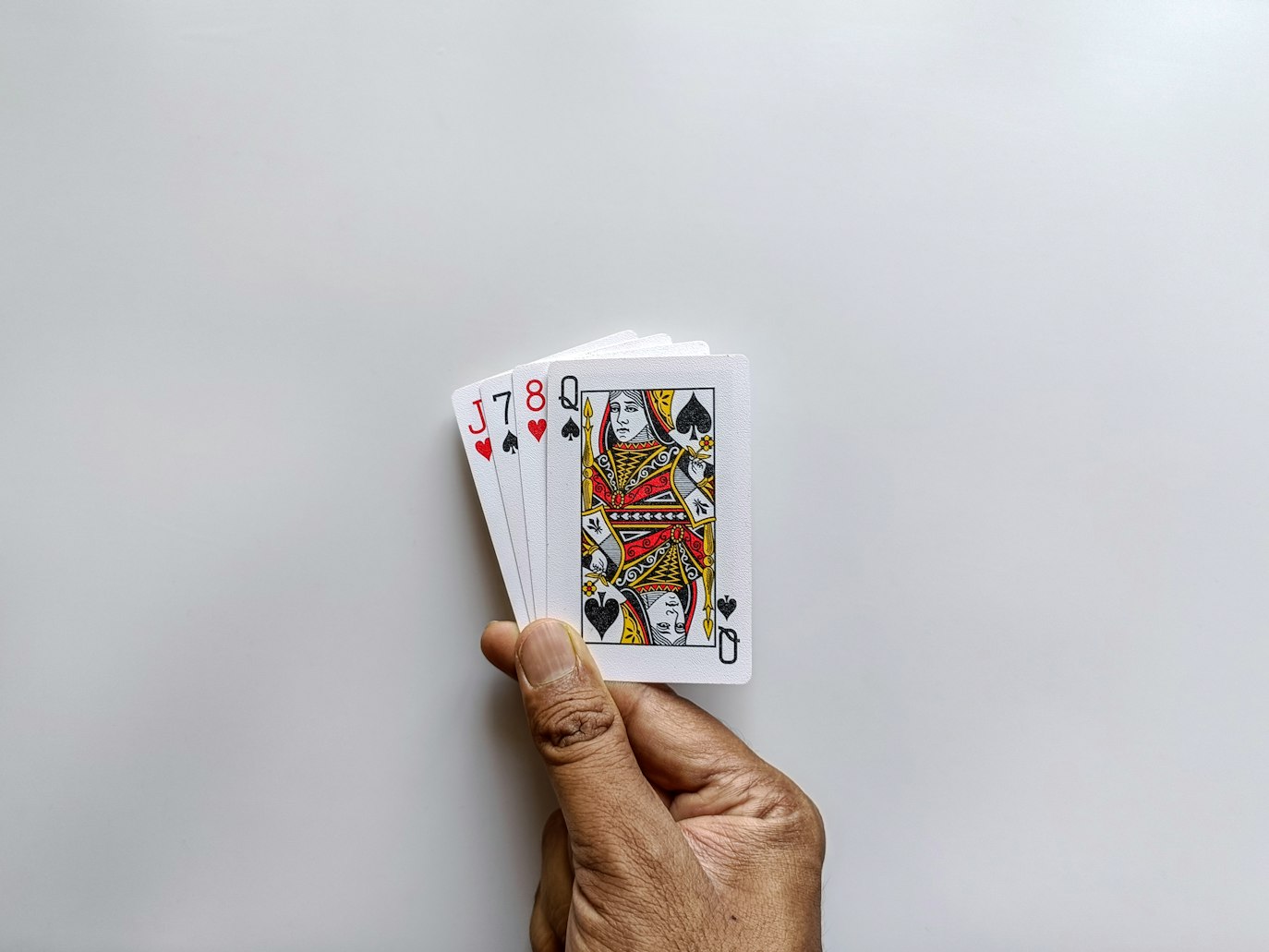
The element of luck can be thrilling and unpredictable, attracting players who seek excitement. It often creates an exhilarating atmosphere in casinos and online gambling sites, where anyone can hit the jackpot regardless of their skill level. This reliance on luck can also lead to problematic gambling behaviors, as players may chase losses, believing their luck will change in their favor. Understanding this balance is vital for responsible gambling practices.
Finding Balance Between Skill and Luck
For many gamblers, the interplay of skill and luck defines their overall experience. Some players gravitate towards games where skill is paramount, while others prefer the excitement that comes with pure luck. Striking a balance between the two can enhance enjoyment and potentially improve outcomes. Players should be aware of their strengths, preferences, and limitations as they choose their games and gambling strategies.
Responsible gambling practices also highlight the importance of this balance. Players are encouraged to set limits, take breaks, and recognize when their reliance on luck may overshadow their skills. By embracing both elements, gamblers can cultivate a more enjoyable and controlled approach to their gaming activities. 
Exploring Trusted Betting Resources
For those seeking a comprehensive understanding of gambling, including the balance between skill and luck, it’s essential to access reliable resources. Trusted platforms provide valuable insights into various games, strategies, and betting options. They offer expert reviews of different sites and highlight opportunities for players to enhance their gambling experience.
For instance, navigating alternative betting platforms allows players greater flexibility, especially for those seeking options outside the conventional self-exclusion programs. These resources empower both novice and experienced gamblers by ensuring they are informed about their choices and the underlying dynamics of skill and luck in gambling, ultimately leading to a safer and more enjoyable experience.