

Strained communication, trust issues, and Alcohol Use Disorder emotional distance often arise, making it hard for anyone involved to maintain a healthy relationship. It’s an unfortunate reality that affects numerous families navigating this tough journey together. One of the first indicators of ETOH abuse is a noticeable change in behavior. This could mean becoming more irritable, secretive, or even unpredictable.
Office Hours
It’s not too late to change lifestyle habits if you or a loved one drinks excessively. Fortunately, there is help available for anyone seeking to break the cycle of alcohol https://ecosoberhouse.com/ abuse and get back on a healthier track. Mixing MDMA (also known as ecstasy or molly) with alcohol is extremely unsafe. Both drugs cause elevated body temperature and dehydration, which can lead to serious medical emergencies such as heatstroke. MDMA and alcohol also both put extra stress on your heart, which can cause major cardiac problems – such as a heart attack. The 1990s marked a turning point in alcohol marketing, as the industry shifted its focus to younger demographics with unprecedented aggression.
Post Traumatic Stress Disorder
If you’ve never consumed alcohol before, you might be wondering what it feels like. Before we get into the risks of excessive drinking, you must know what short-term effects alcohol can cause. This escalation is a red flag, signaling that alcohol is no longer a choice but a necessity for emotional regulation. Research shows that chronic stress alters brain chemistry, particularly in the amygdala and prefrontal cortex, regions responsible for emotional processing and decision-making.
Rethinking Emergency Response to Mental Health Crises
You have an increased risk of making mistakes at work, calling out sick too often, and being fired. When you cannot hold a job, you’ll likely begin to experience financial problems. In other words, there is no difference between ethanol and ethyl alcohol. Ethanol or ethyl alcohol is the substance that causes mind-altering effects when you consume an alcoholic beverage. Ethyl alcohol or ethanol is the active ingredient in alcohol that causes mind-altering effects.
- The most significant, rare, and adverse long-term side effect is Hallucinogen-Persisting Perceptual Disorder (HPPD).
- For adolescents, the CRAFFT questionnaire is commonly used, focusing on drinking patterns and consequences in younger age groups (12–20 years).
- Additionally, there are alternatives to 12-step meetings if these do not work for you.
- The immediate pleasurable side effects of shrooms are enhanced when the user drinks alcohol simultaneously.
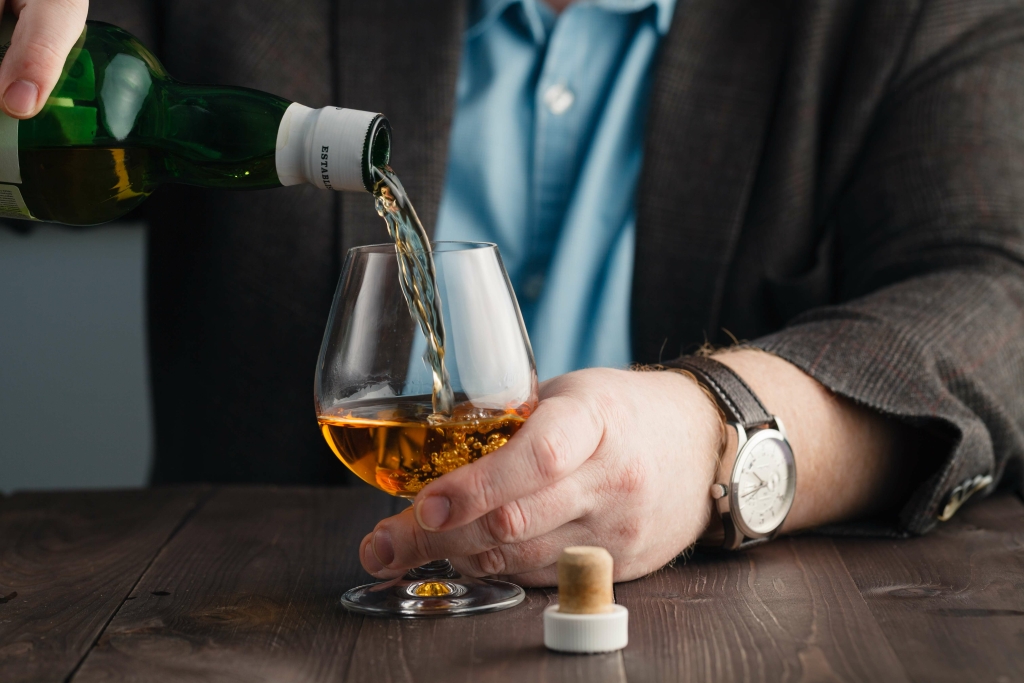
Struggling with one or both of these disorders will likely cause the user to suffer in many ways, including at the workplace, in close relationships, and with other responsibilities. By getting the right treatment for alcohol abuse, individuals are able to gain insight into their behaviors and how they can make changes in order to achieve sobriety. The support of family and friends can also be a key factor in making positive changes and maintaining long-term sobriety. In addition to helping individuals stay sober, treatment can also provide them with the skills and tools they need to lead a successful and fulfilling life in recovery. Getting the right treatment for alcohol abuse can have many benefits.
What Are the Types of Treatment for Alcohol Use Disorder?
Besides severely affecting your physical and mental health, alcohol can lead to social and legal problems. For example, underage drinking can result in learning problems and other serious health issues. Another critical indicator is increased tolerance, a physiological marker of addiction. If someone now needs three drinks to feel what one used to accomplish, their body has adapted to higher alcohol levels. This isn’t just about “holding their liquor better”—it’s a dangerous escalation.
Get Connected to a Top-Rated Alcoholism Treatment Center
Additionally, there are alternatives to 12-step meetings if these do not work for you. For example, you can attend a program like SMART Recovery, which uses cognitive behavioral therapy to help you further your recovery. There are also support groups designed solely for women, like Women for Sobriety.
- Patient and therapist meet 1-on-1 to work through difficult emotions and behavioral challenges in a personal, private setting.
- Since alcohol is addictive, it can have significant social consequences and effects on your health.
- Science disproved the myth that you only use 10% of your brain long ago.
- Life transitions such as career stress, divorce, grief, or retirement can increase vulnerability to substance use later in life.
Myth #7: Rehab Is Only for Young People
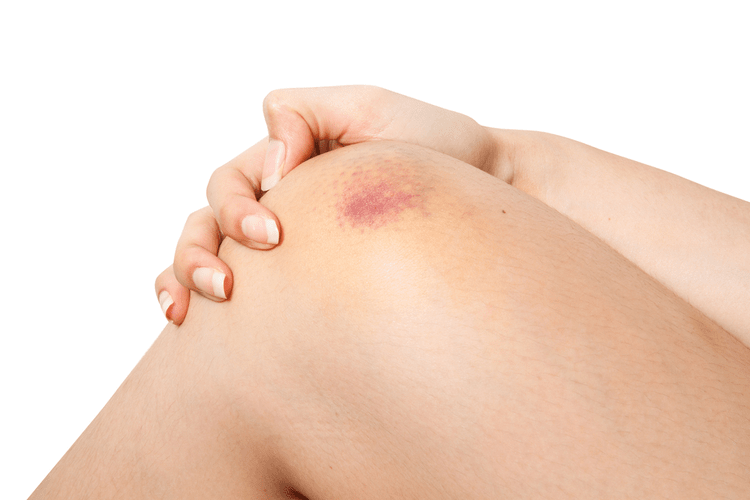
Treatment typically involves a combination of medical, psychological, and support interventions tailored to each person’s unique needs. These symptoms often worsen over time, signaling the potential development of alcohol use disorder (AUD). If these signs are present, seeking professional help can be a critical step toward recovery. “Today’s data reinforces the urgent need to address the risk factors that LGBTQ+ people face, as well as ensuring that mental health services are available and accessible for this group,” he said. Look for signs such as prioritizing drinking etoh meaning over obligations, hiding alcohol use, mood swings, physical health decline, and continued drinking despite relationship or work-related problems. Professional assessment by a healthcare provider can provide clarity.
Her husband, once her confidant, now avoids conversations that inevitably escalate into arguments fueled by her slurred accusations. Her teenage daughter, witnessing the transformation, retreats into silence, her trust eroded by the unpredictability of Sarah’s moods. This isn’t merely a personal struggle—it’s a family crisis, a slow-motion collision of love and dependency. However, one of the risks of abusing alcohol is that the alcohol starts calling the shots.